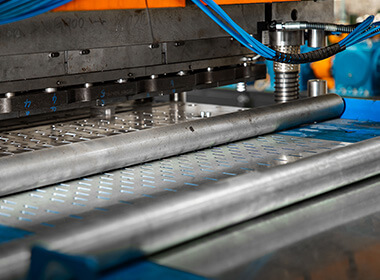
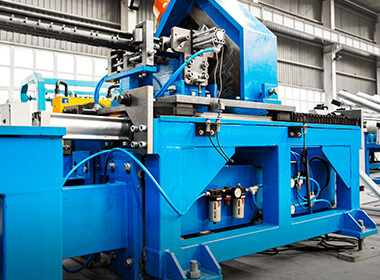
A downpipe roll forming machine is an industrial equipment used to fabricate metal coils, typically galvanized steel or aluminum, into downpipe sections for building drainage systems. It operates by feeding the metal coil through rollers and dies that shape it into the desired downpipe profile, including corrugations, bends, and flanges. The machine also features cutting and punching mechanisms to trim the downpipe sections to length and add necessary holes for assembly. Efficient and precise, downpipe roll forming machines ensure the production of high-quality downpipes with consistent dimensions, meeting the demands of construction projects effectively.
Key Features of Downpipe Roll Forming Machine
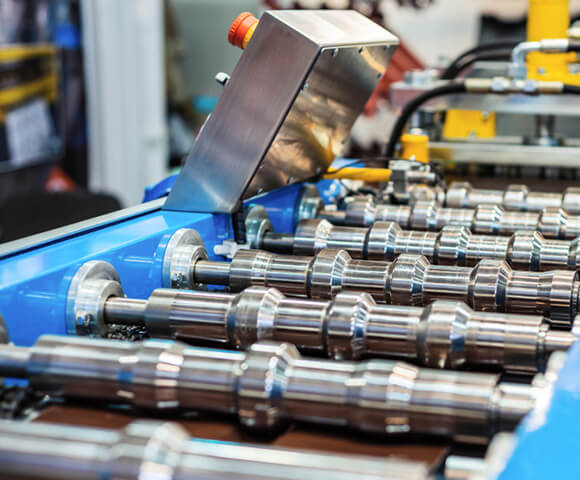
Downpipe roll forming machine features automatic coil feeding, precision roll forming stations to bend coil into round pipes, in-line elbow forming, adjustable pipe diameter and thickness, PLC automation, and simple manufacturing process suitable for small businesses.
Raw material: prepainted steel, galvanized steel, etc.
Thickness ranges between 0.3-1.0mm.
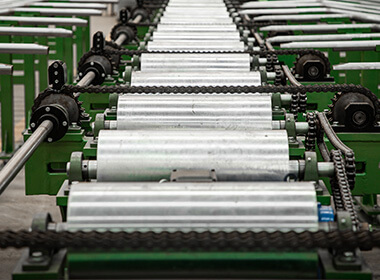
Multiple precision roll forming stations to progressively bend the coil into round pipe profiles.
In-line elbow forming and locking mechanisms for pipe fittings.
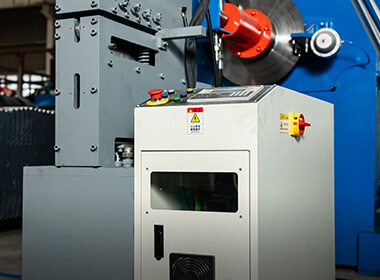
PLC control system for automated production process.
Why Should You Choose Reliance Downpipe Roll Forming Machine
You should choose a Reliance downpipe roll forming machine for several key reasons:
Robust and reliable construction ensures consistent production of high-quality round or rectangular downpipes with precise dimensions and tight spiral lockseams.
Automated process with PLC control, servo roll forming stations, and hydraulic cutting delivers high production speeds of up to 15m/min with minimal labor.
Versatility to produce a wide range of downpipe diameters from 50mm to 300mm using different coil widths and material thicknesses from 0.4mm to 2mm.
Cost-effective solution with a simple manufacturing process suitable for startups and small businesses compared to manual bending or welding.
Customizable options like elbow forming machines, decoilers, positioning tables etc. allow tailoring the line to specific production needs.
With their high productivity, precision, versatility and ease of operation, Reliance downpipe roll forming machines provide an efficient and economical solution for HVAC ducting fabrication.
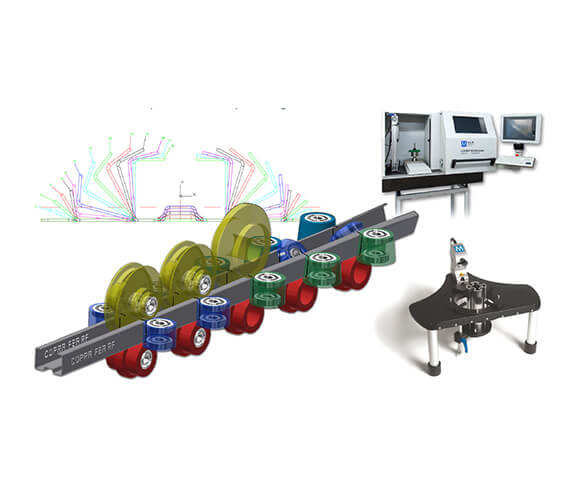
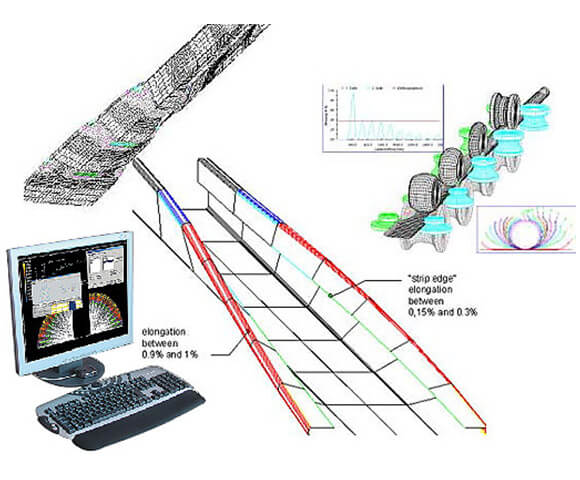
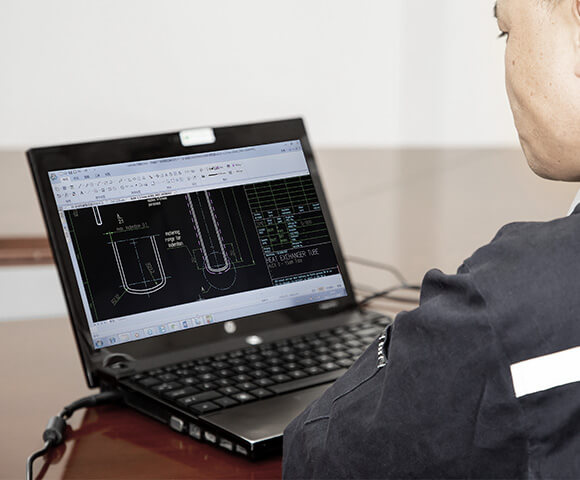
Aiming at delivering high performance machinery, we invest heavily on industrial analysis by
introduing the most advanced roll forming designing softwares including:
COPRA
SOLIDWORK
FEA Analysis
Wider Range of Applicable Materials of Profiles
Whether you are looking for roll forming equipment for steel, aluminum, stainless steel or
pre-lacquered, there is always a solution that fits your specific requirement here at
Reliance.
Machine Performance In Figures
Up to 1500mm
Profile Web Width
Fitting a wider range of profile in various width and fulfilling your diversified production
need.
0.15-16mm
Thickness range
Wide range of applicable products ranging from steel brick to color steel tile.
±0.2mm
Tight Tolerance
Tight tolerance for perfect cross-section, backing up by our strong technology force.
40-50m/min
Production Speed
Adjustable speed to guarantee productivity without compromising on stability and
performance.
Reliance selectes and uses components from world-famous brands to build our roll
forming machines , making higher performance possible from the beginning and
after-sales a lot easier.
Answering your needs and requests, we offer solutions to reach specific precision of
the profiles by providing the possibility of adjusting major components.
For each case, our experienced engineers would take every aspect into
consideration:
quantity of stations
distance between the roller stations
electrical system
hydraulic pneumatic components
distance between the stations
shaft diameter...
Reliance developed a full quality management system for all of our roll forming
machines, aiming to empower a stable performance and longer life span.
Using your subject material, we conduct a trial production of each machine in our
factory before being shipped to you.
Running Your Profile Manufacturing, Automatically.
On deciding the automation degree of your machine, you have the final say.
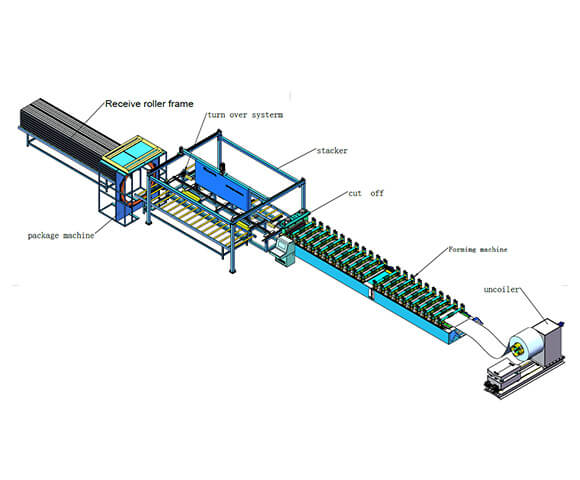
Uncoiling
Uncoiling
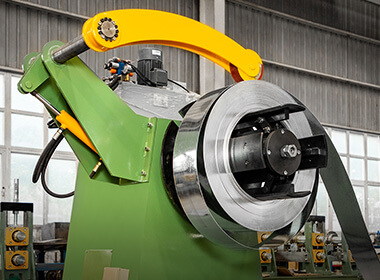
Taking a heavier weight and workload by hydraulic uncoiling system.
Straightening
Straightening
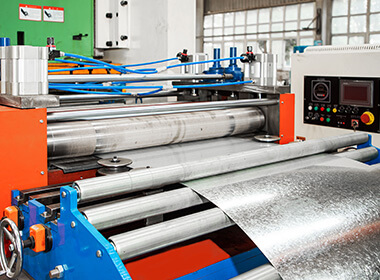
Connecting uncoiling and rolling task. Making the workfolw more efficient.
Punching
Punching
Mechanical punching presses, hydraulic or electric punching units, rotative punching
modules.
Embossing
Embossing
Any designed texture can be fulfilled with embossing system.
Welding
Welding
An optional module pemitting in-station welding procedure with precision and speed.
Stacking
Stacking
Reduce labor and maximize your profile manufacturing capacity by auto stacking.
End Bending
End Bending
Worry-free static end bending in continuous mode with flying cut-off.
Ink Jet Printing
Ink Jet Printing
Creating any digital image by propelling droplets of ink onto the substrates in one
stop.
Custom Your Downpipe Roll Forming Machine
Here are some key considerations for customizing your downpipe roll forming machine:
Material Specifications
Determine the material type (steel, aluminum, etc.), thickness range (typically 0.4mm to 2mm), and coil width required for your downpipe production needs. This will dictate the machine’s roller design and forming capabilities.
Downpipe Dimensions
Specify the desired downpipe diameters you need to produce, typically ranging from 50mm to 300mm. The roll forming stations and tooling will be customized accordingly to shape these precise dimensions.
Production Speed
Based on your output requirements, you can opt for higher production speeds enabled by servo-driven roller stations. Standard lines run at 10-15m/min, while servo machines can reach up to 80m/min for high-volume manufacturing.
Automation Level
Customize the level of automation with options like automatic decoilers, servo roller drives, PLC control systems, hydraulic cutting, elbow forming attachments, and stacking tables to minimize manual handling.
Profile Capabilities
For complex downpipe profiles like multi-layer or insulated pipes, consider a double profile line with additional forming stations. Single profile lines are suitable for basic round or rectangular pipes.
Inline Operations
Integrate value-added operations like punching, embossing, beading or locking mechanisms directly inline with the roll forming process for higher efficiency.
Footprint and Layout
Optimize the machine layout as a floor-mounted horizontal line, space-saving vertical configuration, or even a customized shape to fit your production floor plan.
Support Structure
Choose a robust machine frame with sturdy chassis construction to ensure precision forming and minimize vibrations during high-speed operation.
Safety Features
Incorporate essential safety mechanisms like emergency stops, sensor guards, walkways and electrical compliance based on regional industrial norms.By carefully evaluating your specific downpipe production requirements, you can work closely with the manufacturer to customize a roll forming line that delivers the ideal balance of capabilities, automation, and cost-effectiveness for your business needs.