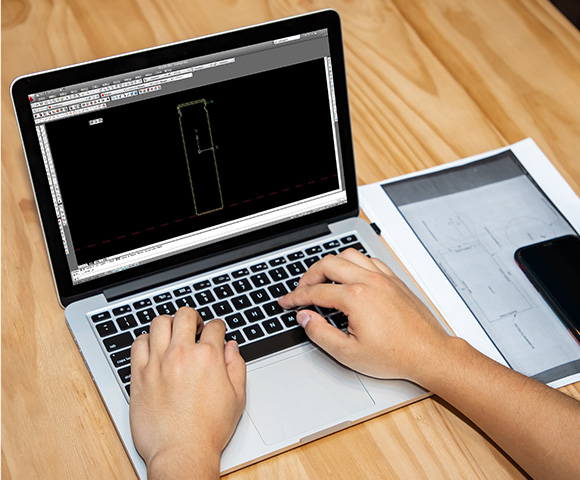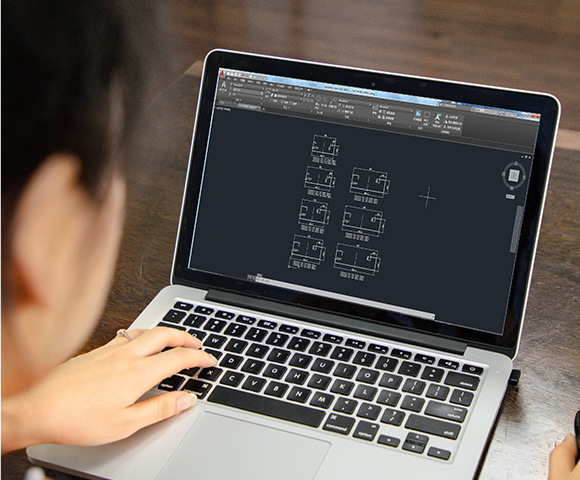
A cross-section drawing serves as the blueprint of what your profile's shape and dimensions should be.
With well calculated bend's radius, arc length, straight lengths, and material thicknesses marked on the drawing, our engineers analyze and determine the part, material, and mill specifications and tolerances, including steel type and grade.
With the blueprint prepared, one significant step of designing a roll forming machine is to estimate the needed width of the strip for forming the final shape.
Experienced and proficient engineers are able to predict how a forming bend will react during the rolling process.
In this process, various factors contribute to the bend allowance, such as material type and yield strength, profile characteristics and roll design techniques.
As the strip of metal travels through the roll forming machine, each set of rollers bend the metal a little more than the previous station of rollers.
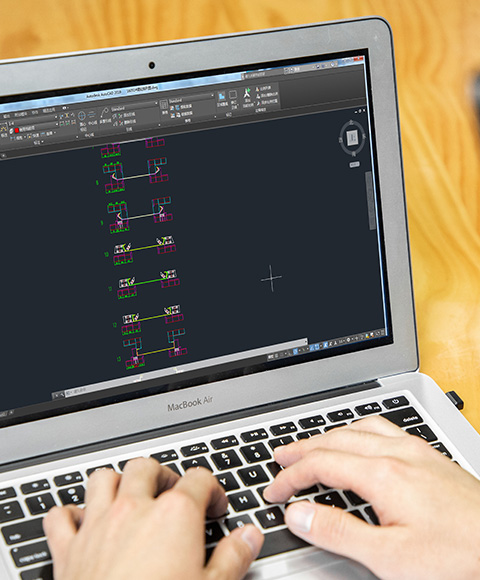
The bend progression flower describes where the forming takes place. The angles show how much forming is being done at each pass and how the final shape is taken step by step.
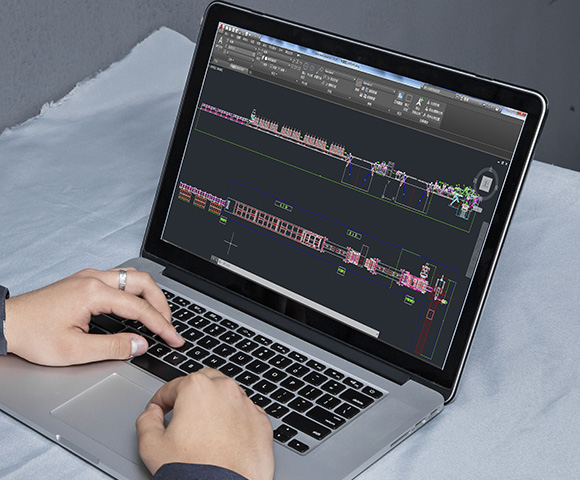
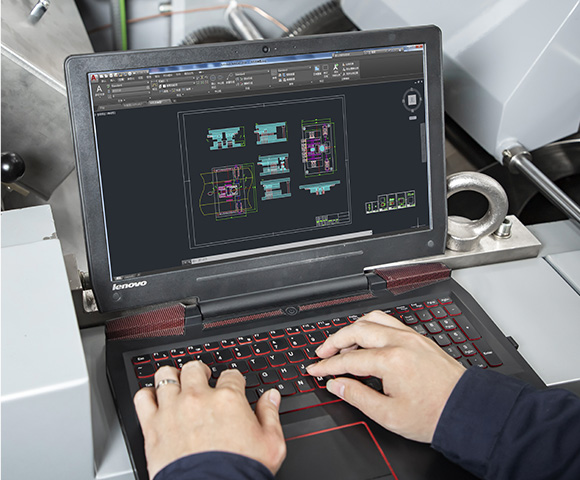
Using computer-aided design software, we show a visual description of the layout of roll toolings, which forms the foundation of our accurate assembly.
By designing rolls and consider increasing the pitch diameters of the rolls from pass to pass, a smooth profile production is guaranteed from the very beginning.
To avoid overfeeding or buckling, it is critical to consider amounts of forming torque and surface contact on the rolls.
Your customized project may involve a specific function to fulfill your production need in your industry.
Typical customization needs include straightening, cutting, punching, and the rest.
To realize the functions, we design and incorporate fixtures, guides, side rolls, and straightening devices where applicable.